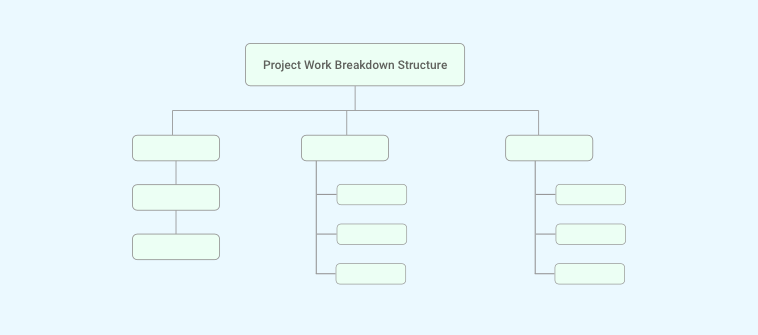
I have worked on enough projects to know this. Most projects do not fail because teams lack skill or effort. They fail because project management goals are unclear, unrealistic, or poorly aligned from the start. When goals are vague, priorities keep shifting, scope creep sets in, and teams lose focus.
A classic example is the New Coke fiasco. In 1985, Coca-Cola changed its formula to regain market share, but the move ignored deep customer loyalty to the original taste. The backlash was immediate, forcing the company to reverse the decision. It’s a clear reminder that goals focused only on short-term wins can backfire when they overlook long-term customer expectations.
In this step-by-step guide, I will show you how to set project management goals that actually work. We will cover practical examples, linking goals to business KPIs, handling shifting priorities, and tracking progress with clear metrics. I will also address common challenges like scope creep, unclear stakeholders, and cross-team misalignment, so you can keep your projects focused and on track from start to finish.
Project Management Goal Setting Guide: 5 Steps to Remember
For any project to succeed, everyone on the team needs to be aligned on what they’re working toward. The easiest way to ensure that alignment is by following a clear goal-setting process. These five steps help you define, plan, execute, and track project goals effectively.
Step 1: Identify Your Goals and Project Vision
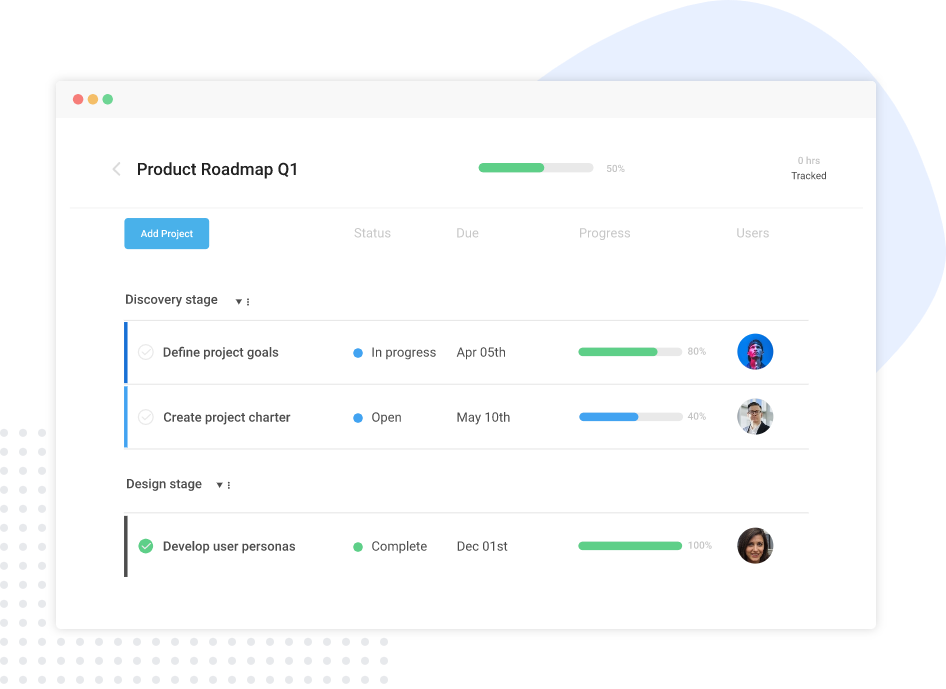
Start by clearly defining what the project needs to achieve and why it matters. Every project should have a strong business purpose and a clear definition of success. Whether the goal is to improve customer satisfaction, increase revenue, or streamline a process, spell it out upfront.
Bring key stakeholders together early. Involving sponsors, project managers, and team members helps create a shared understanding of the project’s purpose and uncovers risks or constraints early on. By the end of this step, everyone should be able to explain the project goal in one clear sentence.
Avoid vague or conflicting goals. Document the agreed-upon objective in simple terms and define what’s in the project scope and out of scope. This clarity prevents confusion later and helps reduce scope creep.
Step 2: Define S.M.A.R.T. Goals

Once the goal is clear, refine it using the S.M.A.R.T framework:
- Specific: Clearly state what you want to achieve
- Measurable: Define how success will be tracked
- Achievable: Keep goals realistic based on resources
- Relevant: Align goals with business priorities
- Time-bound: Set a clear deadline
A strong S.M.A.R.T goal removes ambiguity, aligns stakeholders, and creates a solid baseline for planning. Document these goals so everyone has a single source of truth.
Step 3: Create an Action Plan
Now break the goal into actionable tasks. Define who is responsible for what, set milestones, build a project timeline, and allocate resources. Make sure task dependencies are clear and scope boundaries are documented.
Well-defined goals drive measurable project deliverables. See our comprehensive 360° guide: How to Manage Project Deliverables.
A well-documented action plan helps spot gaps early, secures team buy-in, and reduces execution issues. Using templates or a project management tool can make planning faster and more structured.
By the end of this step, you should have a clear roadmap showing how the goal will be achieved.
Step 4: Set the Plan into Action
Execution is where planning turns into progress. Assign tasks, set up workflows, and ensure everyone understands their responsibilities. Maintain regular communication through check-ins and status updates.
Expect changes. Priorities may shift, new requests may appear, or resources may become constrained. When this happens, revisit the project goal and scope before making adjustments. Clear documentation makes it easier to manage change without derailing the project.
Strong communication and cross-team coordination are key during execution.
Step 5: Monitor Progress & Adapt
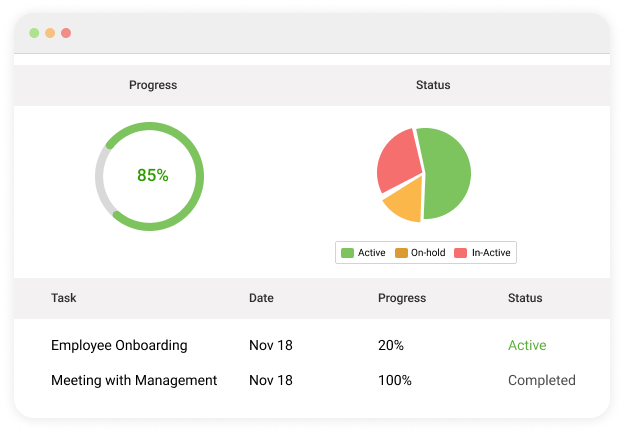
Monitoring ensures the project stays on track. Track key metrics like timelines, budget, scope changes, quality, and team workload. Use dashboards or reports to get a quick view of project health.
Review progress regularly and address issues early. If something goes off track, adjust resources, timelines, or scope as needed. Monitoring also includes checking stakeholder satisfaction and validating deliverables along the way.
Celebrate milestones and wins to keep the team motivated.
Project Goal-Setting Checklist
Before we wrap up, here’s a handy checklist to ensure you’ve covered all bases when setting your project goals and managing them to completion. Use this as a final review for your own projects:
- Clear Goal Definition: Have you defined exactly what the project should achieve and why (the business value)? Is the goal documented and agreed upon by all key stakeholders?
- SMART Criteria: Is your goal Specific (focused and concrete), Measurable (with clear metrics/KPIs to gauge success), Achievable (realistic given resources and time), Relevant (aligned with company or strategic objectives), and Time-bound (with a deadline or timeframe)?
- Stakeholder Alignment: Did you involve the right stakeholders (clients, team leads, managers) in setting the goals? Does everyone share a common understanding of the goal and its importance? Address any ambiguous expectations now to avoid conflicts later.
- Scope and Success Metrics: Have you outlined the project’s scope – what’s included and excluded? Do you know what metrics will indicate success (e.g., revenue target, user adoption rate, quality standards)? Establish these criteria upfront.
- Action Plan: Do you have a detailed plan mapping out how to achieve the goal? This should include tasks, owners for each task, deadlines, required resources, and key milestones. Break the work down so that nothing critical is overlooked.
- Risk Assessment: Have you identified potential risks or challenges (like tight timeline, technical uncertainties, possible scope creep) and thought through mitigation strategies? A little risk planning can save a lot of headaches during execution.
- Communication Plan: Is there a clear plan for how the team will communicate and report progress? (e.g., weekly meetings, status emails, dashboard updates). Clarity here prevents stakeholders from feeling in the dark and keeps the team coordinated.
- Execution Readiness: Before execution, ensure every team member knows their responsibilities and deadlines. Are all necessary tools, access, and resources in place so the team can start work without delay? Set the project up for a smooth kickoff.
- Monitoring Setup: Do you have systems to track progress? Set up your project management tool or tracking spreadsheets with the key metrics. Establish a cadence for reviewing progress (daily, weekly, biweekly depending on project speed). This includes tracking budget spend if applicable.
- Flexibility & Change Control: Have you defined how changes will be handled? Despite planning, changes happen – define a simple change control process. Also, mentally prepare to be flexible: if priorities shift or something isn’t working, you’ll revisit the plan or goals rather than clinging blindly to an outdated plan.
- Stakeholder Updates: Ensure you have a method to keep stakeholders updated (progress reports, review meetings). Regular updates build trust and allow for feedback or course corrections while there’s still time to adjust.
- Tools & Support: Leverage project management software or templates to make your life easier. The right tools can automate reminders, provide dashboards, and centralize communication (for instance, a tool like ProProfs Project can streamline task management and progress tracking). Make sure you and your team are comfortable with the chosen tools early on.
- Post-Project Review: (Looking ahead) Plan to evaluate the project after completion. Did you meet the goal? What worked well in your goal-setting and execution process, and what could be improved next time? Capturing these insights will help in setting even better project goals in the future.
Turn Project Goals Into Real Results
Setting the right project management goals does more than keep your plan organized. It gives your team clarity, reduces confusion, and helps everyone focus on what truly matters. When goals are clear, measurable, and tied to business outcomes, teams spend less time reacting to problems like scope creep, unclear ownership, or shifting priorities and more time making steady progress.
By identifying the right goals, breaking them down into actionable steps, and monitoring them with the right metrics, you create a system where work feels purposeful instead of chaotic. Projects move faster, collaboration improves across teams, and decisions become easier because everyone knows what success looks like and how their work contributes to it.
As projects grow and teams juggle multiple priorities, having a simple way to plan, track, and monitor goals can make a real difference. Using a centralized project management tool like ProProfs Project can help bring tasks, timelines, and progress into one place, making it easier to stay aligned without adding complexity. The goal is not to add more tools, but to make goal execution smoother, clearer, and more manageable for everyone involved.
Frequently Asked Questions

How do you set effective project management goals?
Effective project management goals are set by identifying the desired business outcome, defining measurable success criteria, and aligning goals with available resources and timelines. Using frameworks like SMART goals and breaking them into actionable tasks ensures clarity, accountability, and a realistic path from planning to execution.
What is the difference between project goals and project objectives?
Project goals describe the overall outcome a project aims to achieve, while project objectives are specific, measurable steps that support that goal. Goals provide direction and purpose, whereas objectives guide execution by defining clear actions, timelines, and performance expectations for the project team.
How do you measure project management goals?
Project management goals are measured using metrics such as milestone completion rates, schedule and budget variance, resource utilization, and quality indicators. Dashboards and regular progress reviews help teams track these metrics in real time, making it easier to identify risks early and adjust plans as needed.
Can project management tools help achieve project goals?
Project management tools help achieve project goals by centralizing planning, task tracking, and progress monitoring. They improve visibility, reduce manual follow-ups, and support collaboration across teams, making it easier to stay aligned with goals and adapt quickly when project conditions change.
FREE. All Features. FOREVER!
Try our Forever FREE account with all premium features!