I once heard someone say that every project fails twice: first on paper and then in real life, if you don’t fix the cracks early. This statement has stuck with me because it captures the heart of project management challenges so well.
Deadlines slip, teams misalign, communication breaks down, and suddenly even the simplest project feels like a marathon with no finish line. I’ve watched this unfold in my own teams, even when strong systems were in place.
The good news is that most hurdles are predictable and completely solvable with the right approach.
In this guide, I’ll walk you through the most common challenges leaders face today and share practical, battle-tested strategies that have worked for me in fast-moving environments.
Why Project Management Challenges Occur
Challenges in project management often arise because projects rarely progress in a linear manner. Goals shift, priorities change midstream, and teams often balance more work than they can comfortably handle. Communication gaps are another significant reason things become messy, especially when different departments or remote team members are involved.
When updates aren’t clear, decisions slow down, and confusion builds. Limited resources add more pressure, whether it’s missing skills, tight budgets, or timelines that were optimistic from the start. Even the tools meant to make things easier can cause project management issues when they don’t integrate well, or the team hasn’t fully learned how to use them.
On top of all that, unclear ownership can leave people uncertain about who’s responsible for what, which hinders progress and reduces accountability. Put all of this together, and challenges become almost inevitable unless they’re addressed early and intentionally.
Learn how DeepSeas improved collaboration and saved time simply by organizing client groups using ProProfs.

10 Biggest Project Management Challenges and How to Tackle Each One
No matter how well you plan, every project runs into bumps along the way. Some challenges are predictable, while others appear out of nowhere; however, all can be managed with the right approach and the support of effective project management software that keeps everything organized.
Here’s a closer look at the 10 key project management problems and how you can tackle each one with the help of a reliable project management tool.
1. Unclear Goals & Expectations
Projects quickly drift off course when goals aren’t clearly defined or understood by everyone involved. Without a shared direction, teams rely on assumptions, tasks lose focus, and progress becomes inconsistent.
This creates confusion about priorities, leading to rework, delays, and frustration. Even well-structured plans fall apart when expectations aren’t aligned from the start, making it difficult for teams to stay coordinated throughout the project’s lifecycle.
How to Solve It:
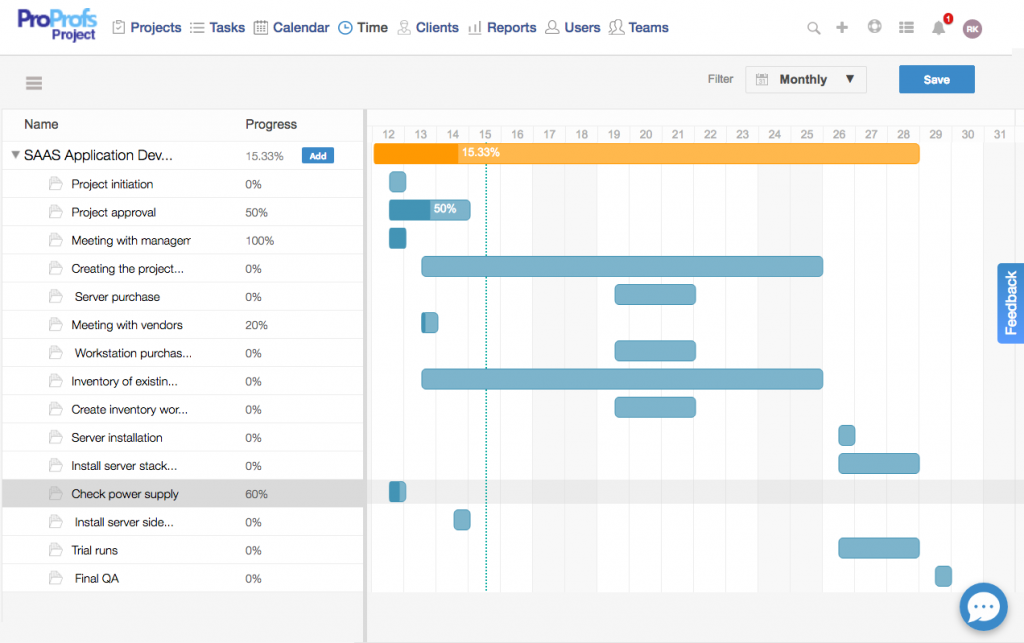
- Create a shared overview with project header
- Break goals into actionable items using task assignment
2. Poor Communication Across Teams
Communication becomes a challenge when teams depend on scattered tools, long email threads, or inconsistent update practices. Important details get buried, decisions take longer, and team members spend unnecessary time clarifying information.
This problem escalates in remote and cross-functional teams where context doesn’t naturally flow. Over time, small communication gaps turn into large project delays, misaligned expectations, and avoidable mistakes that slow down delivery.
How to Solve It:
- Keep all discussions inside tasks with task comments
- Loop in the right people instantly using @mentions
- Get instant updates on changes via email notifications
- See who said what and when with comment history.
3. Scope Creep
Scope creep happens when new tasks or ideas are added without evaluating how they affect timelines and resources.
Even minor additions can accumulate and disrupt the entire project. Teams end up balancing extra work while still trying to meet original deadlines, which affects quality and creates pressure.
Without a structured process for reviewing changes, projects grow beyond their initial plan and become harder to manage.
How to Solve It:
- Control new requests with task status workflow
- See timeline impact immediately using dependency mapping
- Track extra effort accurately with time tracking
- Maintain focus with a clear prioritized task list.
4. Missed Deadlines
Deadlines slip when workloads aren’t visible, task dependencies aren’t mapped, or estimates are unrealistic. One delayed task often stalls the entire project, especially when other teams rely on it.
Over time, missed deadlines create pressure, reduce morale, and force rushed work that compromises quality. Without clarity on who is doing what and when, teams struggle to maintain steady momentum.
How to Solve It:
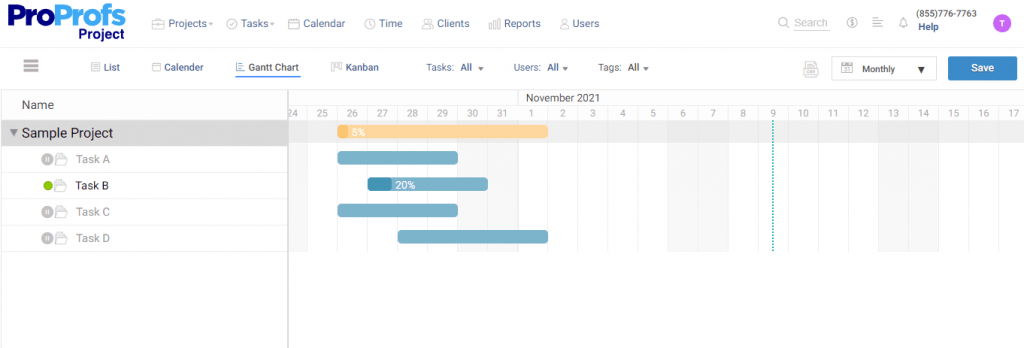
- Link tasks that depend on each other using Gantt dependencies
- Balance team capacity with workload view
- Stay ahead with automated due date alerts
- Spot delays early through activity log.
5. Inefficient Resource Allocation
Projects slow down when workloads are uneven, and teams lack visibility into who is available. Some people become overloaded while others wait for work, causing bottlenecks and delays.
Without a genuine understanding of each team member’s capacity, tasks accumulate on the wrong individuals. This makes it harder to maintain productivity and often leads to burnout or stalled progress.
How to Solve It:
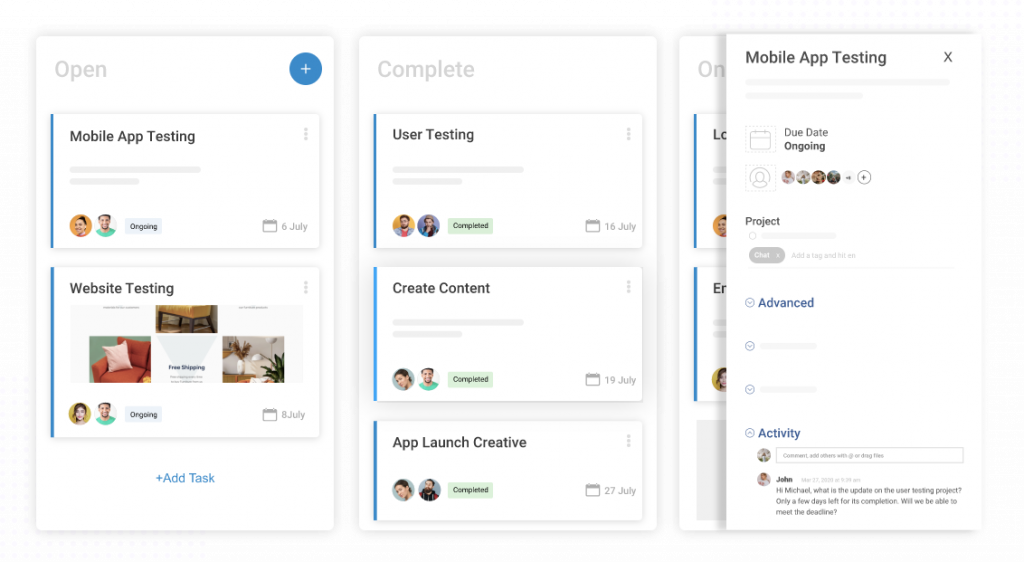
- View everyone’s current load on the resource allocation chart
- Distribute work evenly with drag-and-drop reassignment
- Prevent overload using real-time availability tracking
- Adjust instantly when priorities change with flexible scheduling.
6. Lack of Accountability
Projects lose momentum when responsibilities aren’t clearly assigned. Tasks linger, follow-ups get missed, and team members assume someone else will handle the work.
Without ownership, progress becomes inconsistent, and deadlines are often missed. This is one of the most common issues with project management, particularly in collaborative or fast-paced environments.
How to Solve It:
- Assign clear ownership with a single task assignee
- Break work into trackable steps using subtasks & checklists
- Follow every action via detailed activity trail
- Nudge owners automatically with overdue reminders.
7. Disconnected Tools & Processes
Using separate platforms for planning, communication, and reporting causes information to scatter. Team members waste time switching between tools or searching for details, leading to missed updates and reduced efficiency.
Fragmented systems make it difficult for leaders to accurately assess project status, slowing decision-making and increasing the likelihood of misalignment.
How to Solve It:
- Manage everything in one place with a centralized workspace
- Keep files where they belong using task file attachments
- See all deadlines at a glance with the project calendar
- Share updates fast via instant PDF/Excel export.
8. Budget Overruns
Budgets spiral out of control when time, scope, and resources aren’t tracked consistently. Hidden work, rework, and unclear priorities add unexpected costs.
Without visibility into how efforts are being spent, teams struggle to stay aligned with budget expectations. This often leads to financial surprises late in the project, making it harder to adjust in time.
How to Solve It:
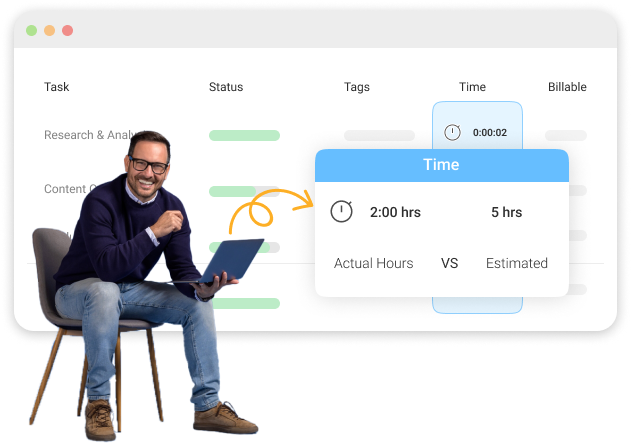
- Capture every minute accurately with built-in time tracking
- Compare planned vs actual via budget reports
- Spot issues early using scheduled reports
- Stay on budget with billable hours tracking.
9. Difficulty Prioritizing Tasks
When everything feels urgent, teams struggle to decide what to tackle first. This leads to multitasking, slower progress, and lower-quality outcomes.
Without a clear prioritization system, important work gets delayed while less significant tasks consume time. This confusion reduces focus and impacts overall project efficiency.
How to Solve It:
- Mark importance clearly with priority levels
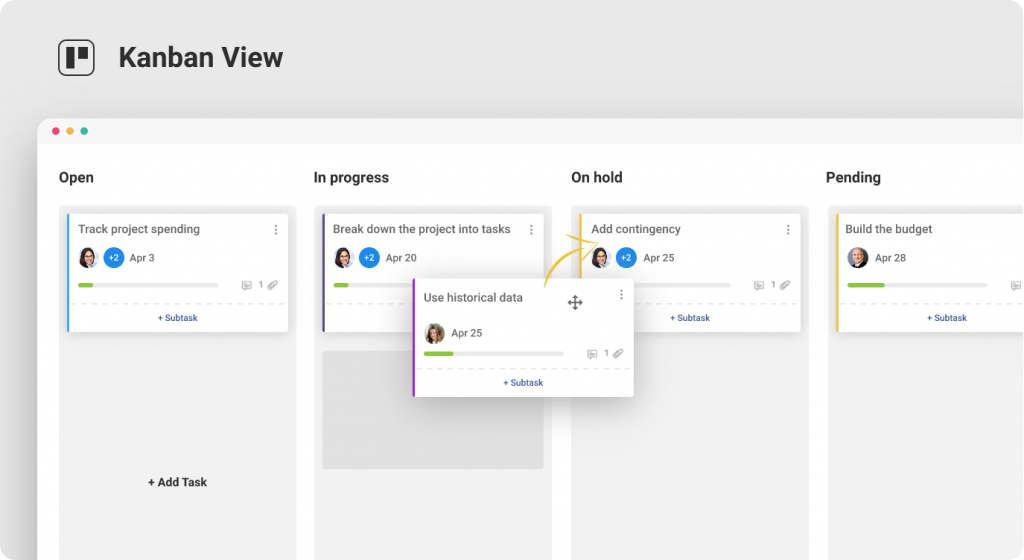
- Surface urgent tasks immediately using Kanban boards
- Sort and find work quickly with advanced filters
- Align effort with impact through smart due dates.
10. Inconsistent Reporting & Visibility
Leaders need clear, timely insights to make informed decisions, but reporting often becomes inconsistent or outdated.
Manual updates are time-consuming and prone to errors, leaving teams with incomplete information about project status. Without real-time visibility, risks go unnoticed and opportunities for improvement are missed.
How to Solve It:
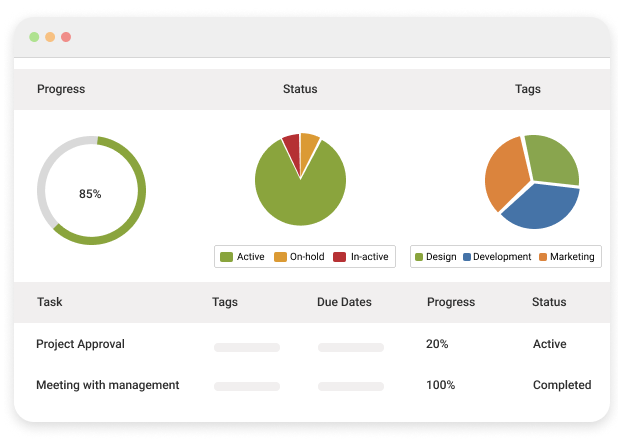
- Get instant overviews with a customizable dashboard
- Automate updates using project status reports
- Share progress effortlessly via shareable report links
- Predict issues early with performance analytics.
How to Identify Early Warning Signs of Project Trouble
Projects usually give subtle hints before things go off track. When these signs are spotted early, it becomes much easier to correct course and avoid bigger problems later. Here are five signals worth paying attention to:
1. Slipping Deadlines
When deadlines start slipping regularly, it’s often a sign that the project plan isn’t matching reality. Maybe tasks take longer than expected, or the team is juggling too many responsibilities.
Even small delays can accumulate and impact the entire timeline. Spotting this early helps you adjust workloads or expectations before things snowball.
2. Confusion About Priorities
If team members aren’t clear on what needs attention first, the project quickly loses momentum. People may work on low-impact tasks while important ones wait.
This usually happens when goals change or communication is unclear. When priorities feel fuzzy, it’s a sign the team needs alignment before progress slows down even more.
3. Repeated Miscommunication
When updates keep getting misunderstood or clarified again, it indicates that information isn’t flowing as it should.
Details may get lost between tools, meetings, and messages, which creates frustration and rework. Repeated miscommunication isn’t just a small hiccup. It often signals a deeper breakdown in how the team collaborates on a day-to-day basis.
4. Low Engagement or Slow Response Times
If team members start taking longer to reply, showing less initiative, or avoiding updates, it usually means something is off.
This could indicate workload stress, a lack of clarity, or disengagement from the project’s goals. Reduced participation affects momentum and makes collaboration more challenging, so it’s essential to address this issue before motivation further declines.
5. Rising Scope Requests
When new ideas, features, or tasks keep getting added, the project may be heading toward scope creep. These additions often seem harmless at first, but they stretch the timeline and resources without proper planning.
A steady increase in requests is a clear indication that expectations need to be reset to avoid more significant complications later.
Future Trends That Will Change Project Management Challenges
Project management isn’t standing still. It’s evolving with every new tool, every shift in the workforce, and every rising demand from customers and stakeholders. The challenges teams face tomorrow won’t be the same ones they’re solving today.
In this section, you’ll explore the top trends shaping what’s coming and how they’ll affect the way teams manage projects.
| Category | Trend | Impact on Project Challenges |
|---|---|---|
| Technology | AI-driven planning | Reduces uncertainty with smarter predictions for delays, risks, and resource needs. |
| Automation | Automated workflows | Lowers manual work, minimizes errors, and keeps projects moving faster. |
| Data & Analytics | Real-time insights | Helps teams catch issues early and make quicker, more informed decisions. |
| Workforce | Remote and hybrid work | Makes communication and alignment more challenging, increasing the need for centralized tools. |
| Skills & Talent | Skill-based staffing | Boosts adaptability but requires better visibility into team strengths and availability. |
| Collaboration | More integrated communication tools | Reduces miscommunication and improves cross-functional teamwork. |
| Security & Compliance | Stronger data requirements | Adds new responsibilities for protecting project data and meeting industry regulations. |
| Tool Ecosystems | Fully unified platforms | Eliminates tool switching, improves visibility, and simplifies project oversight. |
Get Ahead of Roadblocks and Lead Your Projects With Confidence
Project management often involves moving parts, sudden roadblocks, and moments when even the most organized teams feel stretched. Many issues of project management come from unclear goals, shifting priorities, and communication gaps, so understanding these challenges and how to address them gives any team a decisive advantage.
To keep projects running smoothly, stay proactive with communication, regularly revisit priorities, and provide your team with the clarity they need to stay aligned. It also helps to establish simple habits, such as reviewing workloads weekly and documenting expectations early. Small shifts like these make a big difference over time.
And if you want a tool that helps you streamline tasks, track progress, improve collaboration, and stay ahead of potential issues, ProProfs Project brings everything together in one clean place, making it much easier to manage projects with confidence.
FREE. All Features. FOREVER!
Try our Forever FREE account with all premium features!