I have seen plenty of projects “succeed” on paper. The timeline looks great. The budget is clean. The status reports are all green. And then the project goes live, and everything changes. A small bug turns into a big customer complaint. A missing checklist item becomes a compliance issue.
That is when you realize something important: Delivery is not the finish line. Quality is.
That is why Project quality management is one of the first things I lock in, even before the project picks up speed. It is how I make sure we are not just shipping work, but shipping the highest-quality work, at the right standard and with fewer surprises.
In this guide, I will break down project quality management in a way you can actually use. You will learn the three pillars (planning, assurance, control), how to measure quality with practical metrics, and real examples and checklists you can apply to your next project, whether you manage software, operations, marketing, or client delivery.
What Is Project Quality Management?
Project quality management (PQM) is the systematic process of ensuring that your project deliverables meet (and ideally exceed) stakeholder expectations.
It’s not about achieving perfection (which, let’s be honest, is often an elusive goal).
It’s rather about proactively defining what ‘quality’ means for your specific project, putting processes in place to achieve it, and continuously monitoring progress to ensure you stay on track.
But then…
Isn’t ‘quality’ a relative term?
Yes, that is true. Defining quality can have several perspectives – of the team’s, customers’, comparison with other projects, etc. So, what’s acceptable for one client may not work for another.
But what’s the need for quality management, anyway? Well, for that, you need to know about the three key pillars.
The 3 Pillars of Project Quality Management
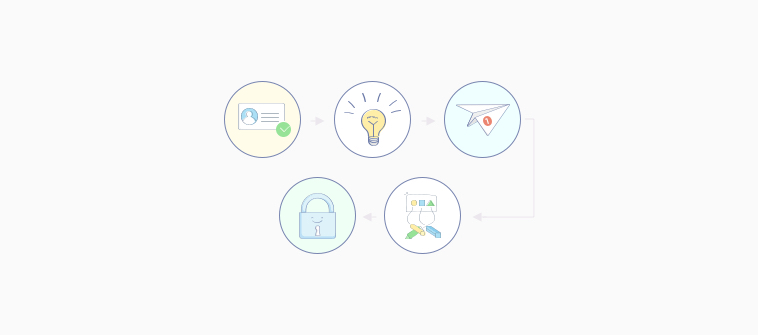
Most project quality frameworks are built around three core processes: quality planning, quality assurance, and quality control. Think of them like this:
- Planning decides what “good” looks like and how you will measure it.
- Assurance makes sure your team is following the right process to build “good” consistently.
- Control checks the actual output and catches gaps before customers do.
Together, these pillars help you avoid a common trap in quality management in project management: relying only on last-minute testing and hoping everything turns out fine.
1) Quality Planning
This is where you define what quality means for this project, not quality in general. If you skip this step, your team will still do “quality work,” but everyone will have a different idea of what quality is. That is where rework starts.
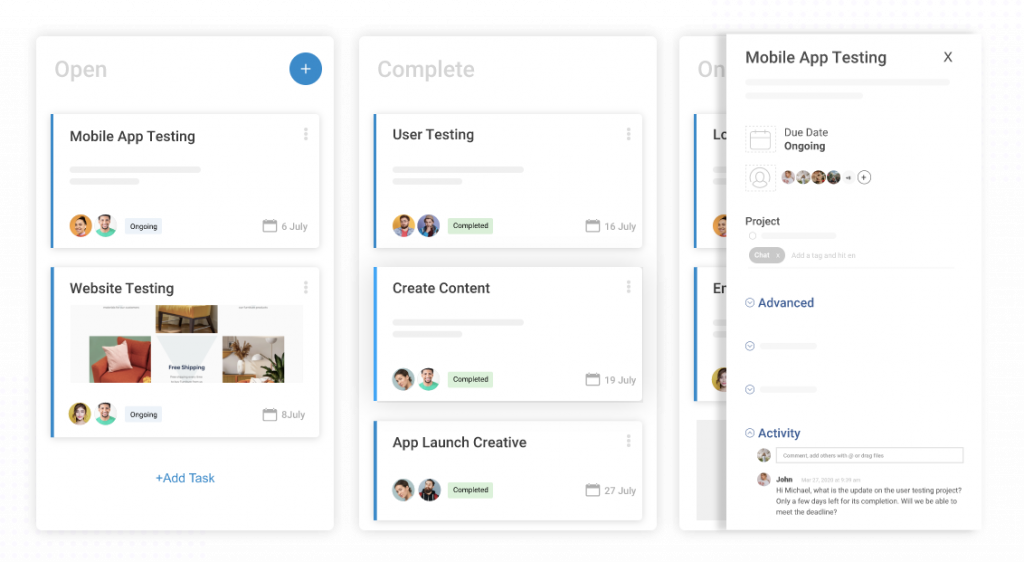
What quality planning usually includes:
1. Stakeholder expectations (what “done” should look like)
Start by capturing what different stakeholders care about. A client might care about usability. A compliance team might care about documentation. Your leadership might care about the launch date and risk. Quality planning brings these expectations into one clear view so nobody is guessing later.
2. Quality standards (internal benchmarks, industry rules, regulatory needs)
This is the “rules of the road.” It could be internal standards (coding guidelines, brand rules, SOPs), industry best practices, or formal regulations. The point is simple: your team needs a shared reference for what acceptable quality looks like.
3. Acceptance criteria (the minimum bar for approving deliverables)
Acceptance criteria make quality measurable. Instead of “looks good,” you get statements like:
- “Page loads in under 2 seconds on mobile.”
- “All high-severity bugs are fixed before release.”
- “Training module includes 5 scenario-based questions and passes internal review.”
When acceptance criteria are clear, reviews become faster and approvals become fair.
Balance project quality management with project constraints. Guide: Project Constraints.
4. Quality metrics + thresholds (how you will measure and what counts as “off-track”)
Metrics tell you whether you are staying on track while the project is still in motion. Thresholds tell you when to intervene. For example:
- “Escaped defects must stay under X per release.”
- “First-pass approval rate should be at least Y%.”
- “Rework should not exceed Z% of total effort.”
This is where your project management quality becomes trackable.
5. Quality checklists (repeatable checks your team can actually follow)
Checklists keep quality consistent across people and teams. They also reduce the “I forgot to verify that” moments.
A quick example checklist for a deliverable might include:
- Acceptance criteria reviewed
- Required tests completed
- Stakeholder sign-off captured
- Documentation updated
- Risks and open issues logged
What this pillar prevents: unclear expectations, subjective reviews, and quality surprises near the end.
2) Quality Assurance
Quality assurance is about improving and auditing the process so defects do not happen in the first place. It is proactive, not reactive.
If quality planning is “what good means,” QA is “are we working in a way that produces good outcomes consistently?”
Good QA habits:
1. Peer reviews (requirements, designs, code, content, test cases)
Reviews are one of the cheapest ways to prevent defects. A 30-minute review can save days of rework later. The key is consistency: use a checklist and do it at the same stage each time.
2. Process audits at key milestones
Audits sound formal, but they can be simple. For example:
- “Did we follow the definition of done for this sprint?”
- “Did we run the agreed test suite before marking items complete?”
- “Did we document decisions and changes?”
Audits are how you spot process drift early.
3. Quality gates (you do not move forward until the quality bar is met)
Quality gates prevent “we will fix it later” from becoming the plan. Examples:
- You cannot start development until requirements have acceptance criteria.
- You cannot go to launch until critical tests pass.
- You cannot close the project until handover docs are complete.
4. Team norms that make it safe to flag issues early
In many teams, people stay quiet because they do not want to look negative or slow things down. A strong QA culture flips that. You treat early issue-spotting as a strength, not an inconvenience.
What this pillar prevents: repeated mistakes, inconsistent execution, and teams rushing without guardrails.
3) Quality Control
Quality control is where you inspect actual outputs and compare results against your standards and acceptance criteria. This is the “prove it” stage.
If QA is about process confidence, QC is about deliverable proof.
QC can include:
1. Testing and inspections
This can be software testing, document reviews, content QA, physical inspections, or sampling. The point is to confirm the output meets the defined criteria, not just that it feels right.
2. Tracking quality metrics over time
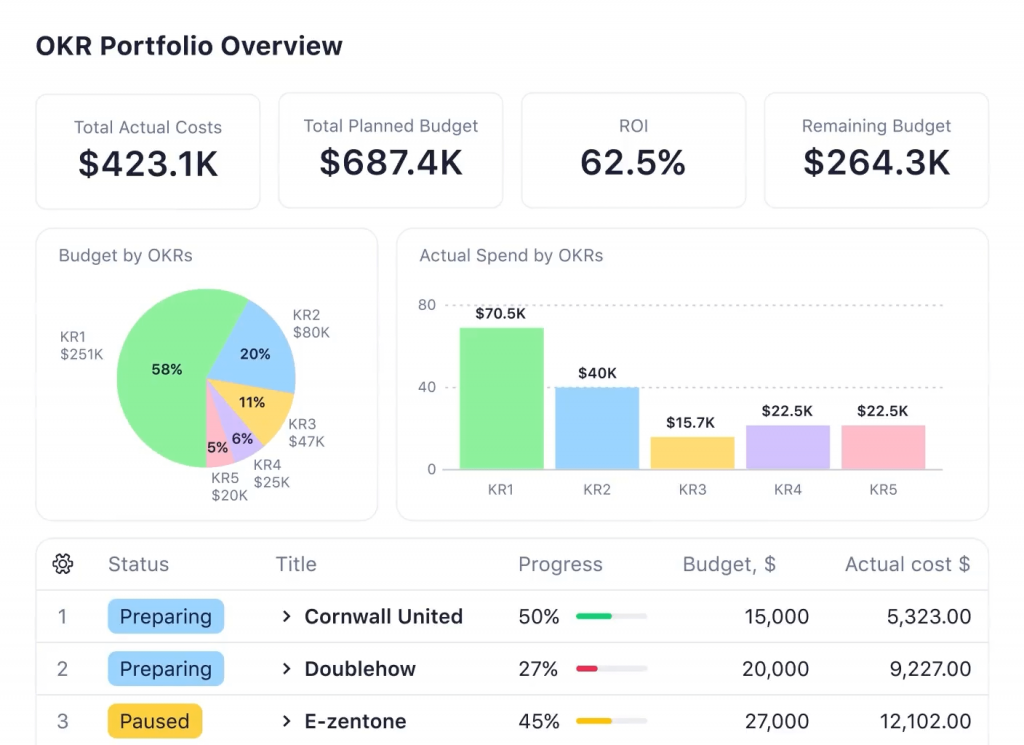
QC is not only a final check. It is an ongoing measurement. Trends matter more than one-off numbers. For example:
- Are defects increasing sprint after sprint?
- Is rework creeping up?
- Are approvals taking longer than before?
Those are early warning signs.
3. Logging issues and rework
If issues are not logged, they do not exist in your reporting. Good logging helps you:
- spot recurring problems
- understand impact and severity
- prioritize what to fix first
- estimate effort realistically
4. Root cause analysis (so problems do not repeat)
Fixing a bug is not the same as fixing the reason it happened. Root cause analysis helps you answer:
- Why did this slip through?
- Which step failed or was missing?
- What change prevents it next time?
5. Corrective actions when thresholds are crossed
This is where your thresholds become useful. If your defect rate crosses the agreed limit, you pause and act. Actions might include:
- adding a review step
- improving test coverage
- clarifying acceptance criteria
- rebalancing workload or scope
What this pillar prevents: quality issues reaching customers, late-stage chaos, and repeat defects.
Support project quality management through robust project management governance. Guide: Project Management Governance.
Why Is Project Quality Management Important?
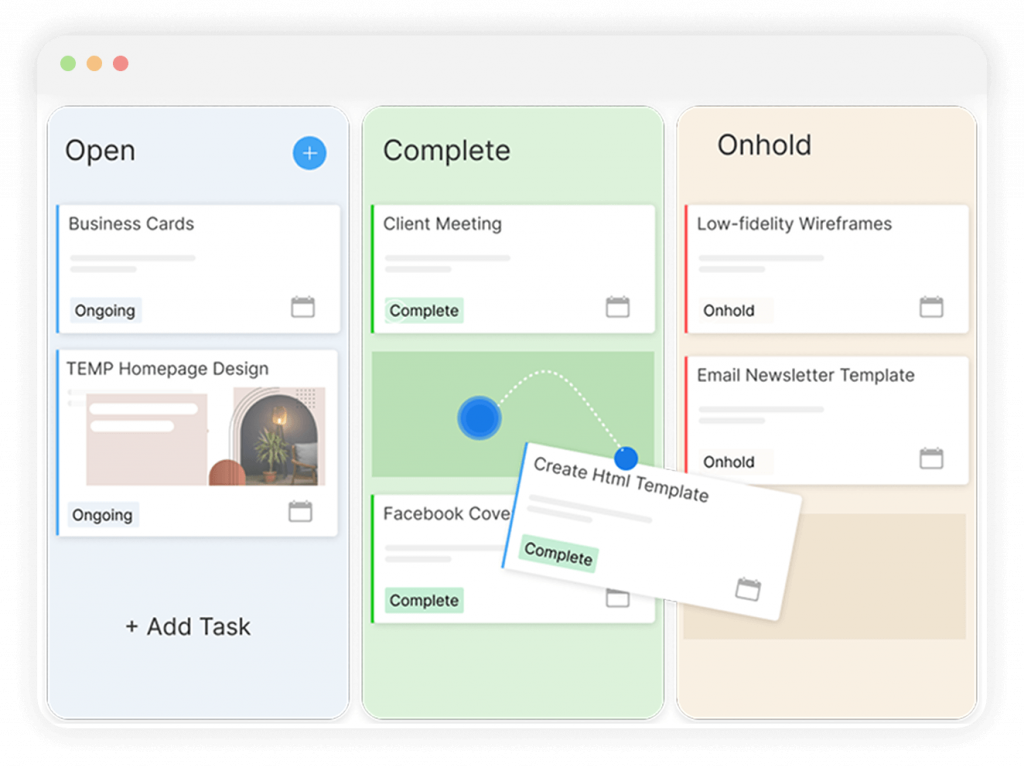
Project quality management is about meeting specifications, delivering value, and ensuring that the project’s outcomes align with the business objectives and customer needs.
So, let’s talk about its importance below –
- Increased Customer Satisfaction: When you deliver high-quality projects that exceed expectations, you build trust, foster long-term relationships, and generate positive word-of-mouth referrals. This can lead to repeat business, increased customer lifetime value, and a stronger competitive advantage.
- Reduced Rework: You save time and resources by identifying and addressing issues early on. Without quality management, that would otherwise be wasted on fixing problems later in the development cycle.
- Improved Team Morale: Working on a project that consistently produces quality results motivates teams and fosters a sense of accomplishment.
- Enhanced Profitability: Reduced rework, increased client satisfaction, and improved project efficiency all contribute to a healthier bottom line.
- Mitigated Risk: Identifying and addressing potential quality issues early helps avoid project delays, cost overruns, and reputational damage.
What Are Some of the Best Visual Charts for Project Quality Management?
Let’s look at the most popular project quality management tools that can help you assess the quality of your project and improve it when you still have time.
1. Gantt Charts
Gantt charts can be considered a valuable tool in project quality management.
Gantt charts are primarily used for scheduling and tracking project timelines.
However, the fact that it provides a visual representation of the project schedule – showing when each activity should start and finish, how long it will take, and where activities overlap with one another – helps project managers ensure that tasks are completed on time and that the project stays on track.
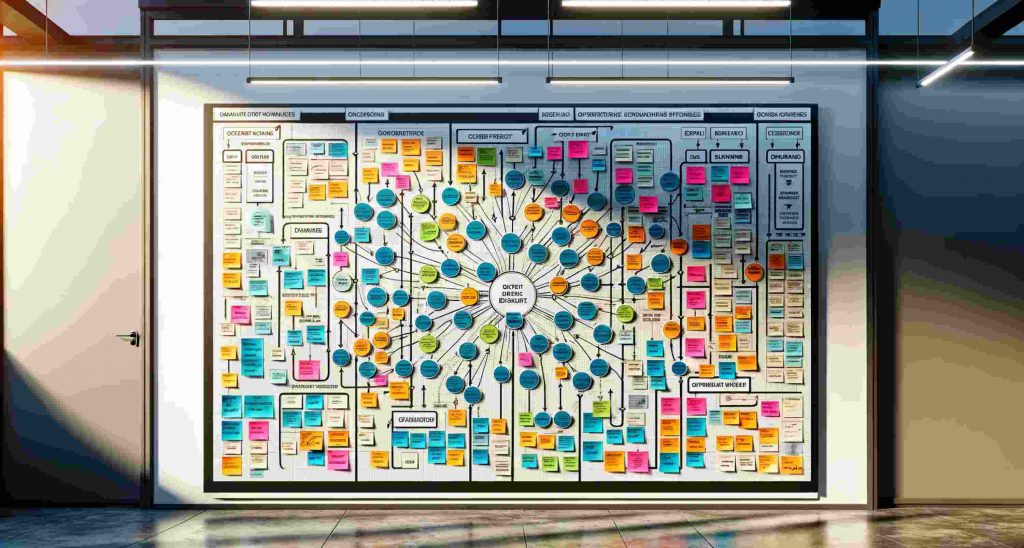
2. Affinity Diagrams
Affinity Diagrams are used to organize a large number of ideas into logical groups. This tool is particularly useful during brainstorming sessions when the project team needs to sift through complex information and categorize it in a way that facilitates understanding and action.
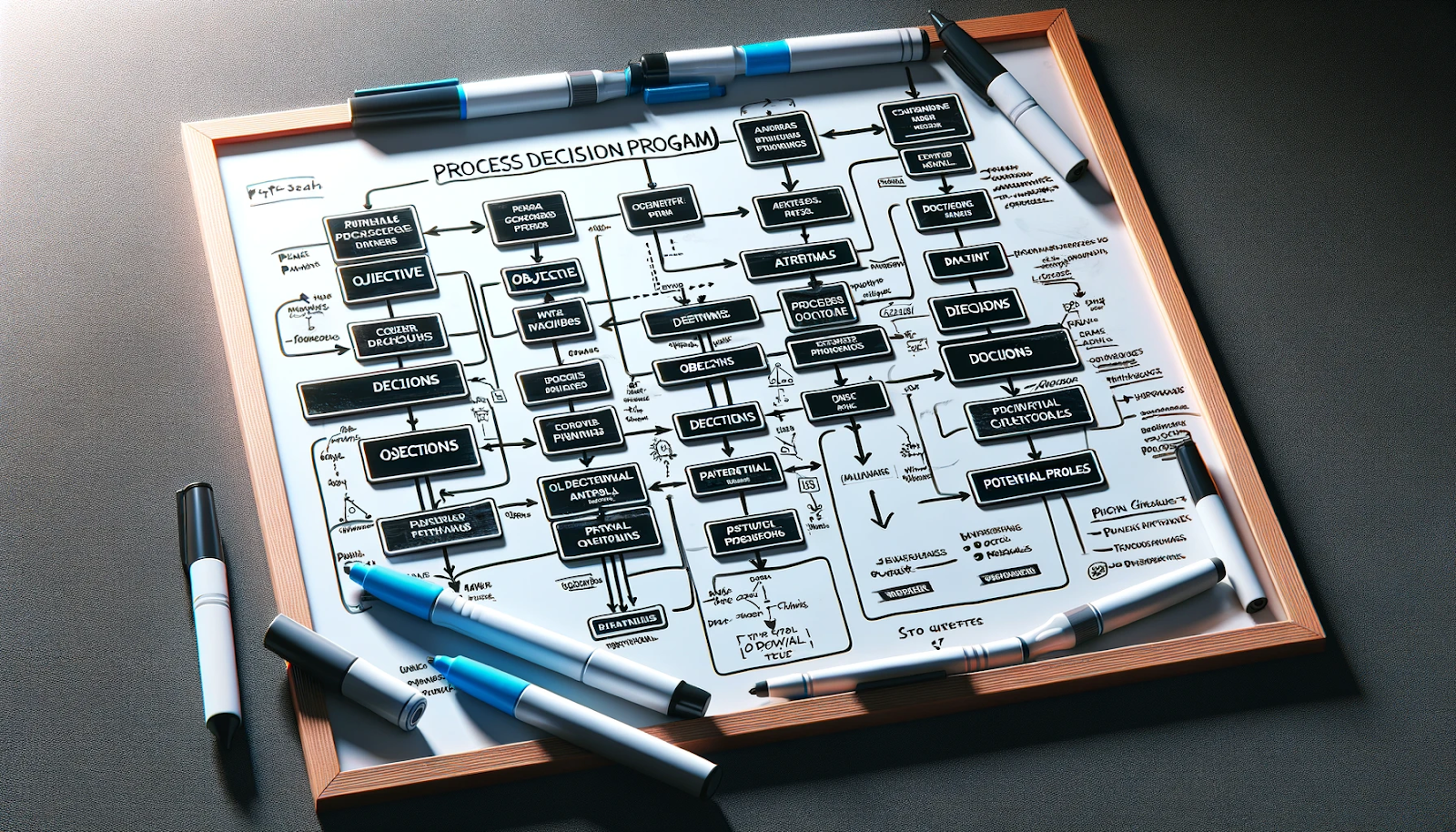
3. Process Decision Program Chart (PDPC)
The PDPC is a tool that helps you anticipate potential problems and plan countermeasures. By identifying what could go wrong in a plan, you can develop strategies to mitigate risks and ensure that quality objectives are met.
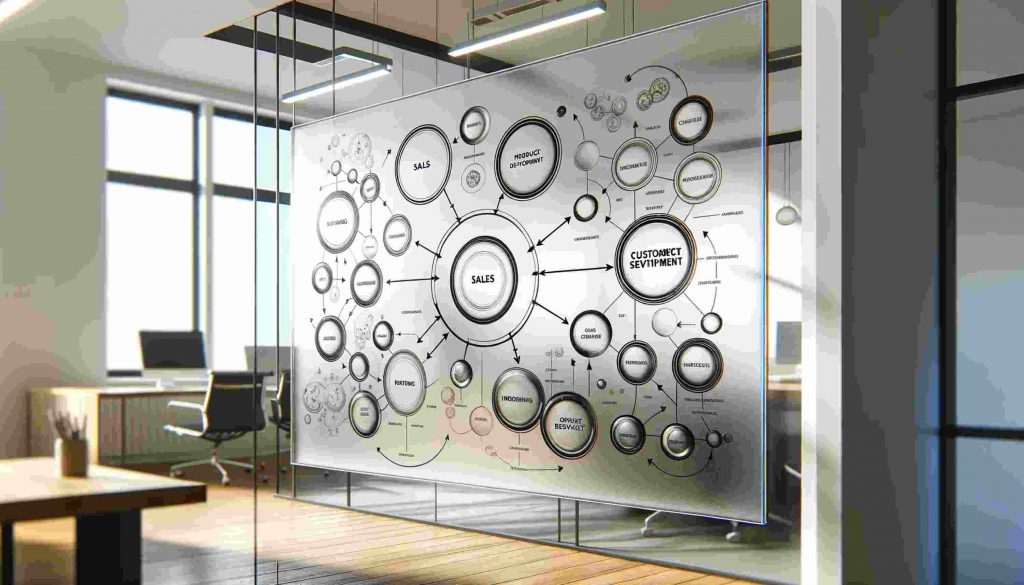
4. Interrelationship Diagrams
These diagrams identify and analyze the cause-and-effect relationships among various project components. Understanding these interrelationships is crucial for determining the root causes of quality issues and addressing them effectively.
5. Prioritization Matrices
Prioritization Matrices enable project teams to focus on the most critical quality issues. Teams can allocate resources more efficiently by evaluating and ranking problems based on their severity and potential impact.
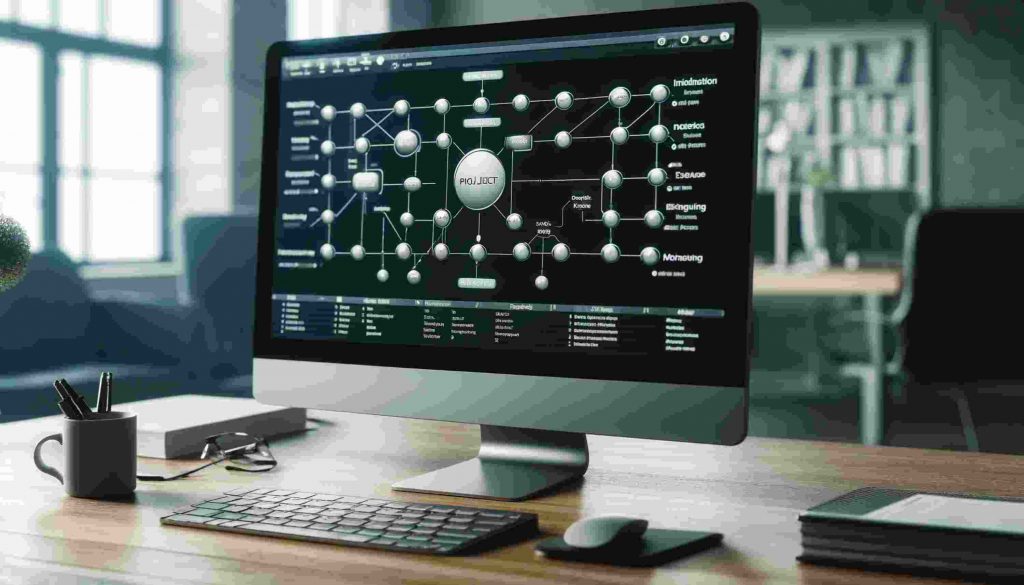
6. Network Diagrams
Network Diagrams are visual representations of a project’s activities and their dependencies. They are instrumental in planning and scheduling project work, ensuring that quality tasks are integrated into the project timeline.
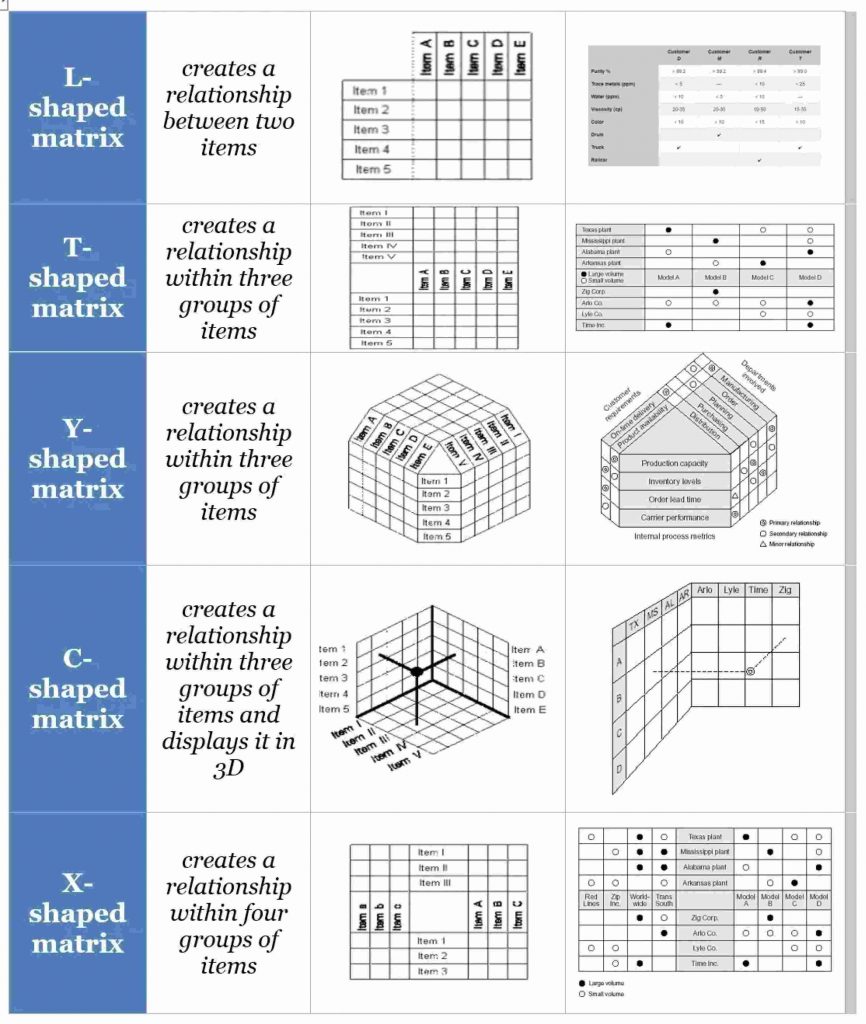
7. Matrix Diagrams
Matrix Diagrams are used to display the relationship between different sets of data. They can help compare and contrast factors affecting quality, such as the alignment between project objectives and quality standards.
Here are some of the different types of Matrix Diagrams –
Templates and Checklists
This is where project quality management becomes practical. Templates and checklists remove guesswork, reduce back-and-forth, and help teams apply project management quality consistently across projects. You do not need complex documents. A few clear, repeatable templates are usually enough.
Below are simple, field-tested formats you can copy and adapt.
Template 1: Project Quality Management Plan (1-Page)
Use this at the start of the project or during kickoff. Keep it short and visible to the entire team.
Project Quality Management Plan
Project name:
Project owner:
Key stakeholders:
1. Quality definition (plain language)
What does “high quality” mean for this project?
2. Stakeholder expectations
List what each major stakeholder cares about most (speed, accuracy, compliance, usability, cost, etc.).
3. Quality standards to follow
- Internal standards
- Industry best practices
- Regulatory or compliance requirements
4. Acceptance criteria (summary)
What must be true for deliverables to be approved?
5. Quality metrics and thresholds
| Metric | How it’s measured | Target | Threshold | Owner | Frequency |
6. Quality gates
Key checkpoints where quality must be reviewed before moving forward.
7. Quality assurance activities
Reviews, audits, training, or process checks that prevent defects.
8. Quality control activities
Testing, inspections, sampling, and final validations.
9. Issue handling and escalation
How quality issues are logged, prioritized, fixed, and reported.
10. Reporting and visibility
Who receives quality reports and how often.
Template 2: Acceptance Criteria Template (Per Deliverable)
Use this for every major deliverable to avoid subjective approvals.
Deliverable name:
Purpose:
What problem does this deliverable solve?
Acceptance criteria:
Pass or Fail.
Performance requirements:
Response time, accuracy, reliability, or tolerance levels.
Compliance or standards:
Brand rules, security guidelines, legal or industry requirements.
Validation method:
Test, inspection, review, or demo.
Approval owner:
Who signs off?
Evidence required:
Screenshots, test reports, recordings, or documents.
Clear acceptance criteria are one of the strongest ways to protect project quality management outcomes.
Checklist 1: Requirements Quality Checklist
Use this before development or execution begins.
- Requirements are clear and unambiguous
- Each requirement is testable
- Acceptance criteria exist for key items
- Assumptions and constraints are documented
- Dependencies are identified
- “Out of scope” items are clearly listed
- Stakeholders have reviewed and approved
Checklist 2: Pre-Execution Quality Checklist
Run this before starting a major phase.
- Quality standards are documented and shared
- Roles and responsibilities are clear
- Quality metrics and thresholds are agreed upon
- Quality gates are defined in the timeline
- Review and audit schedules are planned
- Risk areas affecting quality are identified
Checklist 3: Pre-Launch or Pre-Handover Quality Checklist
Use this before delivery, launch, or final handover.
- All acceptance criteria are met
- Critical tests or inspections are complete
- High-severity issues are resolved or formally accepted
- Rework items are closed or documented
- Supporting documentation is complete
- Stakeholder approvals are recorded
- Post-launch monitoring plan is in place
Checklist 4: Post-Delivery Quality Review
Use this after delivery to improve future projects.
- Were quality metrics met consistently?
- Where did defects or rework occur most often?
- Which processes worked well?
- Which steps caused delays or confusion?
- What should be changed for the next project?
Documenting these insights helps improve the importance of quality in project management over time.
Steer Your Way to Project Excellence With ProProfs Project
Project quality management is not something you “set and forget.” It works best when quality is planned early, reviewed often, and measured consistently throughout the project. When teams take the time to define clear standards, track the right metrics, and learn from issues as they arise, projects tend to run more smoothly and deliver results that stakeholders actually value.
That said, managing quality manually can get overwhelming, especially as projects grow in size or complexity. You are juggling quality goals, reviews, checkpoints, metrics, and documentation, all while trying to keep timelines and teams aligned. Without a structured system, quality checks can easily get delayed or skipped.
This is where a simple project management tool can help keep quality visible and organized. Tools like ProProfs Project make it easier to plan work using Gantt charts, track tasks tied to quality objectives, and review outcomes through clear reports. It does not replace good quality practices, but it does support them by giving teams one place to plan, monitor, and improve how work gets done.
Frequently Asked Questions

What is the difference between quality assurance and quality control?
Quality assurance focuses on improving processes to prevent errors before work is completed. Quality control focuses on inspecting deliverables after or during execution to identify defects and fix them. In short, assurance is process-focused, while control is output-focused.
What is a good project quality management example?
A common example is a software release where teams define clear acceptance criteria, review code regularly, track defect density and escaped bugs, apply quality gates before launch, and gather customer feedback at milestones to confirm the product meets stakeholder expectations.
How do I choose the right quality metrics?
Start by understanding what stakeholders care about most. Choose 6 to 10 metrics tied directly to acceptance criteria and project goals. Set clear targets and thresholds for each metric, review them regularly, and focus on trends rather than one-time results.
FREE. All Features. FOREVER!
Try our Forever FREE account with all premium features!